
The workplace can be a source of both fulfillment and stress, but for many individuals, it can also trigger significant anxiety. Workplace anxiety often stems from a variety of stressors, such as deadlines, interpersonal conflicts, or job insecurity, and can impact productivity, job satisfaction, and overall well-being. This blog explores common workplace stressors that contribute to anxiety, practical strategies for managing anxiety at work, and signs that it’s time to seek professional help.
1. Common Workplace Stressors Leading to Anxiety
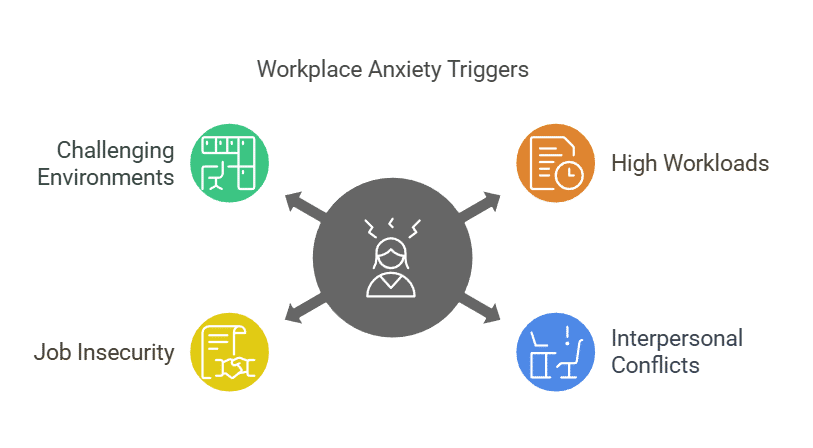
Anxiety in the workplace often arises from a combination of environmental, interpersonal, and individual factors. Understanding these triggers is the first step toward addressing them effectively.
High Workloads and Tight Deadlines
One of the most common sources of workplace anxiety is an overwhelming workload. Tight deadlines, unrealistic expectations, and the pressure to perform can create chronic stress. Employees may feel they lack the time or resources to complete their tasks, leading to feelings of inadequacy or burnout.
Interpersonal Conflicts
Relationships with colleagues and supervisors play a significant role in workplace dynamics. Miscommunications, disagreements, or a lack of support can escalate stress and foster anxiety. For example, tension with a manager who provides unclear instructions or criticism without constructive feedback can leave employees feeling undervalued or misunderstood.
Job Insecurity and Career Uncertainty
Concerns about job security, layoffs, or limited opportunities for advancement can lead to persistent worry about the future. Employees may feel trapped in roles that don’t align with their career goals, contributing to feelings of helplessness or frustration.
Workplace Environment
The physical and cultural environment of a workplace can also influence anxiety levels. Open-plan offices with constant noise, lack of privacy, or poor lighting can contribute to sensory overload. Additionally, organizational cultures that prioritize competition over collaboration may exacerbate stress.
2. Strategies for Managing Anxiety at Work
Managing workplace anxiety requires a combination of self-awareness, proactive communication, and effective stress management techniques. By implementing these strategies, employees can regain control and foster a healthier work environment.
Prioritize and Organize Tasks
Breaking tasks into smaller, manageable steps can reduce feelings of overwhelm. Tools like to-do lists, project management software, or time-blocking techniques can help employees stay organized and focused. Prioritizing high-impact tasks and delegating when possible ensures that energy is directed toward meaningful work.
Set Boundaries
Establishing boundaries is essential to maintain a healthy work-life balance. This includes learning to say no to additional tasks when overwhelmed, setting clear working hours, and resisting the urge to check emails after hours. Communicating these boundaries with colleagues and supervisors helps create mutual understanding.
Practice Stress-Reduction Techniques
Incorporating stress-reduction practices into the workday can help alleviate anxiety:
- Mindful Breathing: Taking a few minutes to focus on slow, deep breaths can calm the nervous system and enhance focus.
- Mini-Breaks: Short breaks to stretch, walk, or step outside can provide mental clarity and prevent burnout.
- Desk Exercises: Simple exercises, such as neck rolls or seated stretches, can release tension and improve circulation.
Improve Communication
Open and honest communication is key to reducing workplace anxiety. If expectations are unclear or deadlines are unmanageable, employees should feel empowered to discuss concerns with their supervisors. Constructive conversations can lead to adjustments that benefit both the individual and the organization.
Create a Supportive Environment
Colleagues and managers can foster a supportive environment by practicing empathy and collaboration. Offering to help team members during busy periods or recognizing accomplishments can contribute to a positive workplace culture.
Utilize Workplace Resources
Many organizations offer resources such as employee assistance programs (EAPs), wellness initiatives, or mental health workshops. Taking advantage of these opportunities can provide additional tools for managing anxiety effectively.
3. When to Seek Help for Workplace Anxiety
While occasional stress is a normal part of professional life, persistent or severe anxiety may require professional intervention. Recognizing when to seek help is critical for maintaining mental health and overall well-being.
Signs That Anxiety May Be Severe
- Physical Symptoms: Persistent headaches, stomach issues, or sleep disturbances that interfere with daily functioning may indicate chronic anxiety.
- Emotional Distress: Feelings of dread, irritability, or panic attacks during work-related activities are signs that anxiety has escalated beyond normal stress levels.
- Decline in Performance: Difficulty concentrating, frequent mistakes, or avoidance of responsibilities may point to anxiety affecting job performance.
- Impact on Personal Life: If workplace anxiety begins to affect relationships, hobbies, or overall happiness, it’s time to consider seeking support.
Professional Help Options
- Therapy: Cognitive Behavioral Therapy (CBT) is highly effective for workplace anxiety. It helps individuals identify negative thought patterns and develop practical coping strategies.
- Medication: In some cases, medication such as selective serotonin reuptake inhibitors (SSRIs) may be prescribed to manage symptoms. A healthcare professional can guide you through treatment options.
- Coaching or Mentorship: Career coaching or mentorship programs can help individuals address specific workplace challenges and build confidence in their abilities.
How to Approach Your Employer
If workplace anxiety significantly affects your performance, consider discussing accommodations with your employer. The Americans with Disabilities Act (ADA) and similar legislation in other countries provide protections for individuals with mental health conditions. Reasonable accommodations, such as flexible hours, remote work options, or adjusted deadlines, can make a significant difference.
Building a Healthier Work Environment
Workplace anxiety is a common yet manageable challenge. By identifying the stressors that contribute to anxiety, implementing proactive strategies, and seeking help when necessary, employees can take control of their mental health and thrive professionally. Employers also play a vital role by fostering a supportive and understanding environment, which benefits both individuals and the organization as a whole.
If workplace anxiety is interfering with your daily life, remember that help is available. Whether through self-care practices, professional support, or workplace accommodations, there are many paths to creating a healthier, more fulfilling work experience. Taking the first step by contacting us to address anxiety is not only a move toward personal well-being but also a way to achieve greater success and satisfaction in your career.