Bipolar disorder is a lifelong mental health condition characterized by dramatic mood swings, including manic highs and depressive lows. While its symptoms and challenges are universally recognized, the disorder manifests differently across various life stages. Understanding these differences is crucial for tailoring treatment and ensuring effective management for individuals of all ages.
Bipolar Disorder in Adolescents
1. Unique Challenges in Adolescents:
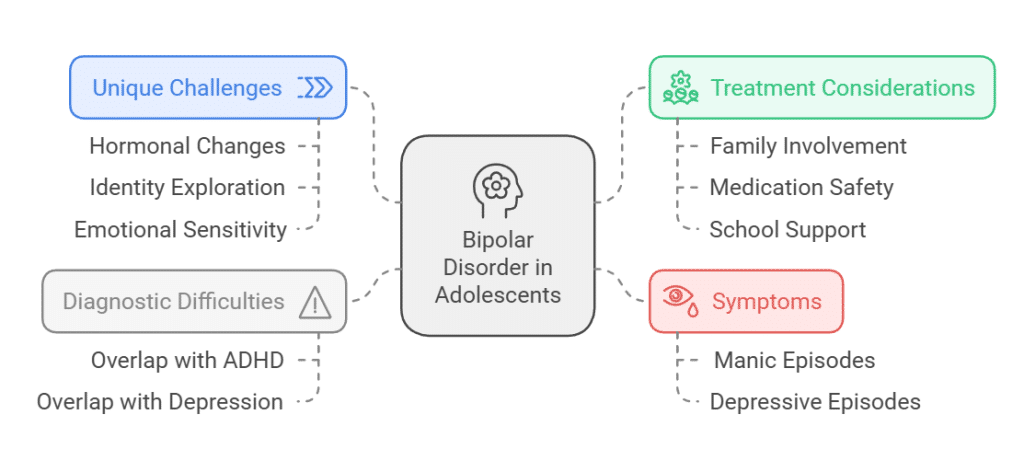
Adolescence is a critical developmental stage marked by hormonal changes, identity exploration, and increased emotional sensitivity. These factors can complicate the diagnosis and management of bipolar disorder, as mood swings may be mistaken for normal teenage behavior.
2. Symptoms in Adolescents:
- Manic Episodes: Often manifest as irritability, hyperactivity, risk-taking behaviors, and impulsivity. Adolescents may display extreme confidence or grandiosity.
- Depressive Episodes: Symptoms include withdrawal from social activities, persistent sadness, poor academic performance, and thoughts of self-harm.
3. Diagnostic Difficulties:
Symptoms of bipolar disorder in adolescents can overlap with other conditions such as attention-deficit/hyperactivity disorder (ADHD) or depression, leading to frequent misdiagnoses. Early identification is crucial for effective intervention.
4. Treatment Considerations:
- Family Involvement: Family-focused therapy helps parents and guardians understand the condition and create a supportive home environment.
- Medication Safety: Adolescents may require careful monitoring when prescribed mood stabilizers or antipsychotics to ensure proper dosing and minimize side effects.
- School Support: Collaboration with educators can help manage academic challenges and foster a supportive school environment.
Managing Bipolar Disorder During Pregnancy
1. Risks and Challenges:
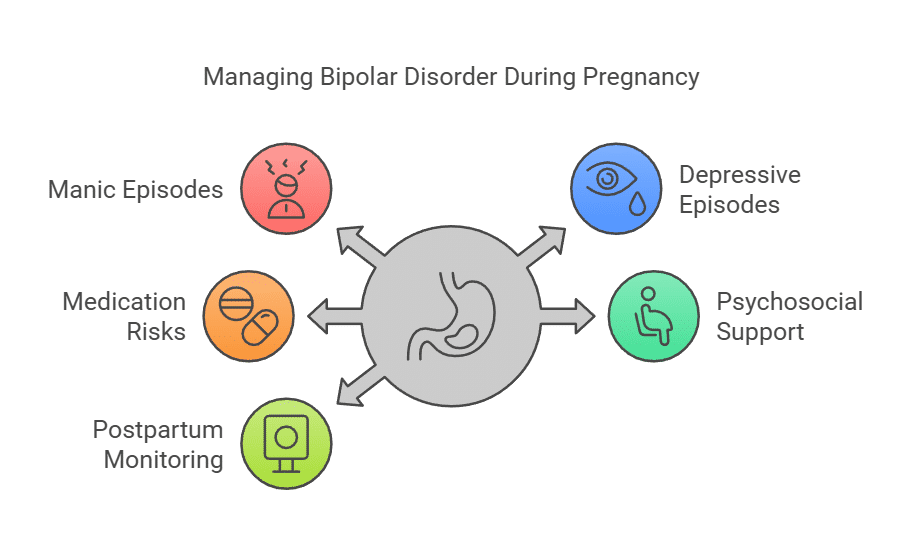
Pregnancy introduces significant physical and emotional changes, which can exacerbate bipolar symptoms. Hormonal fluctuations and the stress of impending parenthood may trigger mood episodes.
2. Impact of Bipolar Disorder During Pregnancy:
- Manic Episodes: May lead to impulsive decision-making or neglect of prenatal care.
- Depressive Episodes: Can increase the risk of poor nutrition, lack of prenatal check-ups, or postpartum depression.
3. Medication Management:
- Many medications used to treat bipolar disorder, such as mood stabilizers, carry risks during pregnancy. For instance, lithium can increase the likelihood of congenital disabilities.
- Collaborative care between psychiatrists and obstetricians is essential to weigh the risks and benefits of continuing, adjusting, or substituting medications.
4. Psychosocial Support:
- Pregnant individuals with bipolar disorder benefit from robust support networks, including therapy, prenatal education, and family involvement.
5. Postpartum Considerations:
- The postpartum period is particularly high-risk for mood episodes. Close monitoring and early intervention are critical to managing symptoms effectively during this time.
Tailoring Treatment for Different Life Stages
1. The Importance of Individualized Care:
Bipolar disorder is not a one-size-fits-all condition. Treatment plans must consider the unique challenges and needs of individuals at each life stage.
2. Key Principles of Tailored Treatment:
- Holistic Assessment: Evaluate the individual’s physical, emotional, and social needs.
- Collaborative Care: Involve specialists from various fields, such as pediatrics, obstetrics, geriatrics, and psychiatry, depending on the life stage.
- Flexibility: Be prepared to adjust treatment as the individual transitions between life stages or experiences changes in symptoms or circumstances.
3. Addressing Co-occurring Conditions:
Co-occurring conditions such as anxiety, substance use, or physical illnesses must be addressed alongside bipolar disorder for comprehensive care.
4. Psychoeducation Across the Lifespan:
Educating individuals and their families about bipolar disorder at every life stage empowers them to manage the condition proactively. Topics include recognizing symptoms, understanding triggers, and developing coping strategies.
Bipolar disorder manifests differently across life stages, requiring tailored approaches to diagnosis, treatment, and management. Adolescents face unique developmental challenges, pregnant individuals require careful balancing of treatment and fetal health, and older adults contend with comorbidities and cognitive changes. By understanding these differences and adopting individualized care strategies, clinicians, families, and individuals can work together to manage bipolar disorder effectively, ensuring a better quality of life at every stage.