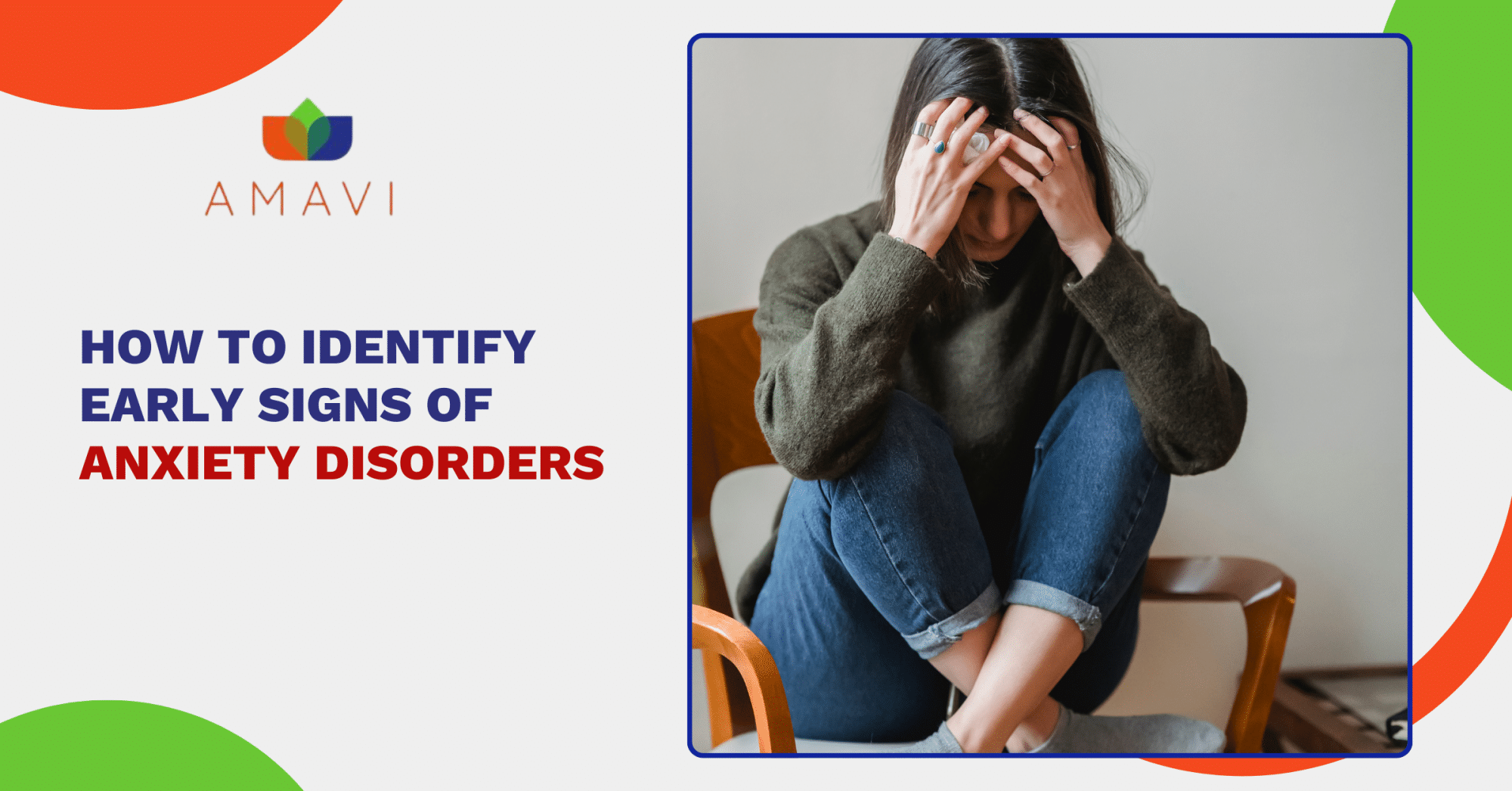
Anxiety disorders are among the most common mental health conditions, affecting millions of people worldwide. These disorders go beyond typical feelings of worry or nervousness, often causing persistent and excessive fear that interferes with daily functioning. Recognizing the early signs of anxiety disorders is crucial for seeking timely help and improving outcomes. This blog will provide an overview of anxiety disorder symptoms, highlight behavioral and physical signs to watch for, and emphasize the importance of early diagnosis and intervention.
1. Overview of Anxiety Disorder Symptoms
Anxiety disorders encompass a range of conditions, including generalized anxiety disorder (GAD), panic disorder, social anxiety disorder, specific phobias, and others. While each type has unique features, all anxiety disorders share some common symptoms that can disrupt daily life.
The hallmark of anxiety disorders is excessive worry or fear that persists over time. For example, individuals with GAD experience ongoing anxiety about various aspects of life, such as work, health, or relationships, even when there is no immediate threat. Panic disorder, on the other hand, involves sudden and intense episodes of fear, known as panic attacks, which can occur unexpectedly.
Social anxiety disorder is characterized by a deep fear of being judged or embarrassed in social situations, while specific phobias involve irrational fears of particular objects or scenarios, such as flying or heights. Although the triggers and manifestations of these disorders vary, they often lead to avoidance behaviors, heightened emotional distress, and difficulty functioning in everyday situations.
In many cases, anxiety disorders are accompanied by physical symptoms, such as restlessness, muscle tension, and difficulty sleeping. Over time, these symptoms can take a toll on mental and physical health, underscoring the importance of recognizing them early.
2. Behavioral and Physical Signs to Watch For
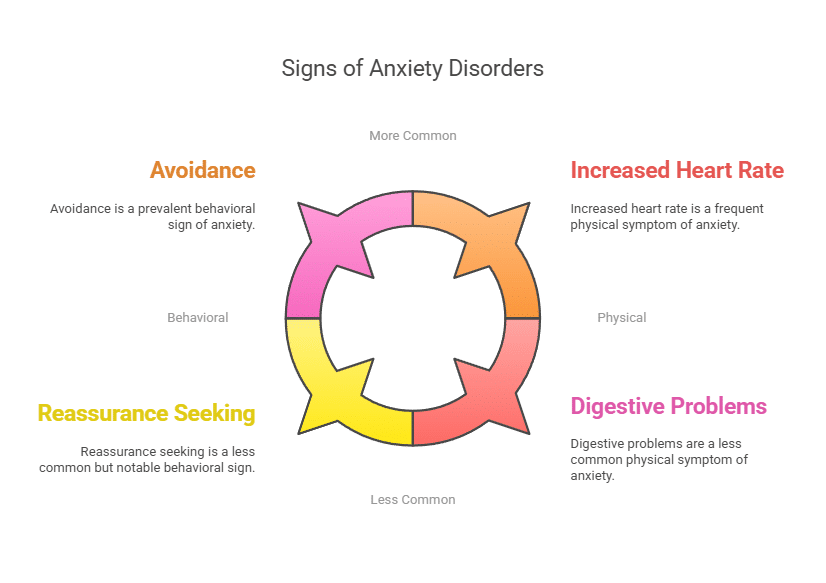
Anxiety disorders often present with a combination of behavioral, emotional, and physical symptoms. Understanding these signs can help you identify whether you or someone you know may be struggling with an anxiety disorder.
Behavioral Signs
Behavioral changes are often the first indication that someone is experiencing excessive anxiety. Common signs include:
- Avoidance: Individuals may avoid specific situations or activities that trigger their anxiety. For instance, someone with social anxiety disorder might decline invitations to social events or avoid speaking in meetings.
- Reassurance Seeking: People with anxiety often seek repeated reassurance from others to alleviate their fears. This behavior may be seen in individuals with generalized anxiety disorder or obsessive-compulsive tendencies.
- Procrastination or Perfectionism: Anxiety can lead to difficulty starting or completing tasks due to fear of failure or making mistakes.
These behaviors often serve as coping mechanisms but can interfere with daily responsibilities and relationships.
Physical Signs
Anxiety disorders frequently cause physical symptoms, which are often mistaken for medical conditions. Common physical signs include:
- Increased Heart Rate: Many individuals report palpitations or a racing heartbeat, particularly during moments of heightened anxiety or panic attacks.
- Muscle Tension and Restlessness: Chronic anxiety can result in physical discomfort, such as tense shoulders, clenched jaws, or an inability to sit still.
- Sleep Disturbances: Difficulty falling or staying asleep is a common issue, as anxious thoughts can become more intrusive at night.
- Digestive Problems: Stomachaches, nausea, and irritable bowel symptoms are often linked to anxiety disorders, as stress impacts the digestive system.
Recognizing the connection between physical and emotional symptoms is key to identifying anxiety disorders, as these conditions often manifest in ways that extend beyond mental distress.
3. Importance of Early Diagnosis and Intervention
Identifying the early signs of anxiety disorders is critical for preventing them from escalating and interfering with daily life. Early diagnosis and intervention can improve outcomes, reduce symptom severity, and enhance overall well-being.
Benefits of Early Diagnosis
Timely diagnosis allows individuals to access appropriate treatment before their condition worsens. For example, generalized anxiety disorder often starts with mild symptoms, such as occasional worry or restlessness, but can progress to chronic anxiety and physical health problems if left untreated. Similarly, early recognition of panic attacks can help individuals avoid developing avoidance behaviors that may lead to agoraphobia.
Early intervention also helps minimize the long-term impact of anxiety disorders on personal and professional life. With the right support, individuals can learn to manage their symptoms, maintain healthy relationships, and stay productive in their daily activities.
Effective Treatment Options
There are several evidence-based treatments available for anxiety disorders, making early intervention highly beneficial. Cognitive-behavioral therapy (CBT) is one of the most effective treatments, helping individuals identify and challenge negative thought patterns that contribute to anxiety. Techniques like exposure therapy are particularly useful for specific phobias and post-traumatic stress disorder (PTSD), allowing individuals to face their fears in a controlled and supportive environment.
In some cases, medication, such as selective serotonin reuptake inhibitors (SSRIs), may be prescribed to help manage symptoms. Combining therapy with lifestyle changes, such as regular exercise, mindfulness practices, and improved sleep hygiene, can further enhance treatment outcomes.
Seeking Professional Help
If you notice early signs of anxiety in yourself or a loved one, consulting a mental health professional is a crucial first step. Therapists and counselors can conduct a comprehensive assessment to determine whether symptoms meet the criteria for an anxiety disorder and recommend appropriate interventions. Addressing anxiety early can prevent complications, such as co-occurring depression or substance use disorders, and set the stage for long-term recovery.
Taking Action Against Anxiety Disorders
Anxiety disorders are common but treatable, and recognizing the early signs is the first step toward effective management. By understanding the symptoms, paying attention to behavioral and physical changes, and seeking professional help, individuals can take proactive steps to reduce the impact of anxiety on their lives.
If you or someone you know is experiencing persistent worry, fear, or physical symptoms related to anxiety, don’t wait to seek support. Early diagnosis and intervention can make a significant difference, improving quality of life and restoring balance. With the right treatment and resources at Amavi Integrative Mental Wellness, living a fulfilling and anxiety-free life is within reach.