
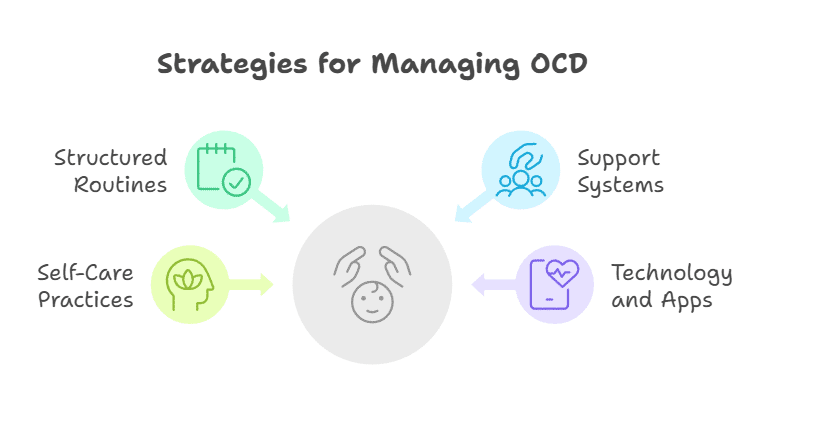
Living with Obsessive-Compulsive Disorder (OCD) is a challenging journey, but with the right strategies and support, it is possible to reduce the impact of symptoms and regain control over daily life. Effective management involves building structured routines, leveraging support systems, and utilizing modern technology to address OCD symptoms. This blog explores practical tips for daily management, focusing on routines, self-care, and technology.
1. Building Routines to Reduce Compulsion Frequency
Routines provide structure and predictability, which can help mitigate the anxiety that drives compulsions. By creating a consistent daily schedule, individuals with OCD can reduce uncertainty, build healthier habits, and focus on meaningful activities instead of engaging in rituals.
Establishing a predictable daily schedule helps minimize decision fatigue and limits opportunities for obsessions to take hold. For example, starting the day with activities that focus your attention, such as light exercise, mindfulness meditation, or journaling, can set a positive tone. Allocating specific times for meals, work, and relaxation helps create a sense of control over your day. Scheduling leisure activities like reading, gardening, or creative hobbies provides an outlet to redirect focus from obsessive thoughts to more fulfilling pursuits.
Incorporating Exposure and Response Prevention (ERP) into your routine is another effective way to manage OCD symptoms. ERP, a core component of Cognitive Behavioral Therapy (CBT), involves facing feared situations without engaging in compulsions. For instance, someone struggling with contamination fears might gradually expose themselves to touching a commonly used object, like a doorknob, without washing their hands immediately afterward. Consistent practice, starting with less distressing triggers and gradually progressing to more challenging ones, can build resilience and reduce the frequency of compulsions.
Breaking down large tasks into smaller, manageable steps can help reduce the anxiety associated with overwhelming activities. Rather than tackling an entire room, for example, focus on organizing a single drawer or shelf. Celebrating small accomplishments along the way can build momentum and confidence.
2. Importance of Support Systems and Self-Care
Living with OCD can feel isolating, but having a strong support system and prioritizing self-care can make a significant difference in managing symptoms. Surrounding yourself with understanding individuals and fostering a sense of self-compassion are essential elements of effective management.
A reliable support network provides encouragement, accountability, and emotional comfort. Family and friends who understand OCD can offer meaningful support and empathy. Educating loved ones about the disorder helps them better appreciate your experiences and avoid unintentionally reinforcing compulsions. Support groups, either in-person or online, allow you to connect with others facing similar challenges, share coping strategies, and feel less isolated. Regular sessions with therapists or counselors ensure that you stay on track with treatment goals and navigate setbacks effectively.
While support is vital, setting healthy boundaries is equally important to prevent unintentional reinforcement of compulsive behaviors. For example, you can politely request that loved ones refrain from participating in rituals or providing constant reassurance. Encouraging constructive conversations about progress without focusing excessively on symptoms fosters a balanced dynamic within your support network.
Self-care is another cornerstone of OCD management. Regular exercise, such as yoga, swimming, or walking, helps alleviate anxiety and improve overall mood. A balanced diet with plenty of fruits, vegetables, and whole grains supports brain health and energy levels. Sleep is equally essential; prioritizing 7–9 hours of quality sleep per night helps regulate emotions and cognitive function. Relaxation techniques like deep breathing, progressive muscle relaxation, and mindfulness meditation provide tools for calming the mind during high-stress moments.
3. Using Technology and Apps for OCD Management
In today’s digital age, technology offers innovative tools to support individuals with OCD in managing their symptoms and tracking progress. Mobile apps, online resources, and wearable devices can complement traditional therapy and provide on-demand assistance.
Mobile apps designed specifically for OCD management offer valuable resources for daily symptom tracking and coping. Apps like nOCD provide guided ERP exercises, access to licensed therapists, and reminders to practice ERP techniques regularly. WorryTree focuses on managing anxiety and obsessive thoughts by helping users log worries, identify triggers, and develop constructive coping strategies. Another helpful app, CBT Thought Record Diary, allows users to record intrusive thoughts and challenge them through cognitive restructuring techniques.
Apps that include mood and symptom tracking features can also be instrumental in monitoring patterns and identifying triggers. For instance, users can record the frequency and intensity of obsessions and compulsions and note situations or events that exacerbate symptoms. This information can be shared with therapists to develop more effective preventive strategies.
Virtual therapy platforms and telehealth services have made it easier than ever to connect with qualified OCD specialists. Services like Talkspace and BetterHelp offer convenient access to licensed therapists who can deliver evidence-based treatments like CBT and ERP.
Wearable devices, such as smartwatches, support OCD management by tracking physiological responses to stress. These devices can monitor heart rate variability (HRV) to identify moments of heightened anxiety. Additionally, they can send reminders for relaxation exercises or mindfulness breaks throughout the day, providing practical tools for real-time stress management.
Empowering Daily Management for a Better Quality of Life
Living with OCD is a lifelong process that requires patience, persistence, and the right tools. By building structured routines, fostering strong support systems, and leveraging technology, individuals with OCD can take meaningful steps toward reducing symptoms and improving their quality of life.
Daily management of OCD is not about eliminating symptoms entirely but about learning to navigate them effectively. With a proactive approach and support from loved ones and professionals, it’s possible to regain control, build resilience, and lead a fulfilling life. Whether you’re incorporating ERP into your routine, practicing self-care, or exploring innovative apps, each small step contributes to progress on the path to recovery.
If you or a loved one is navigating life with OCD, remember that help is available and recovery is possible with Amavi Integrative Mental Wellness. By embracing these strategies, you can take control of your journey and cultivate a life of balance, purpose, and well-being.